Location & History
Sutton Coldfield holds the unique distinction of being a Royal Town, a title granted by King Henry VIII in 1528 through Bishop John Vesey, a native son who became Bishop of Exeter. The name derives from “South Town” (south of Tamworth, the Mercian capital) and “Coldfield” (open hillside land exposed to weather, or where charcoal burning took place).
Situated eight miles northeast of Birmingham city centre, the town shares borders with Lichfield, North Warwickshire, Staffordshire and Walsall. Despite becoming part of Birmingham in 1974, Sutton Coldfield maintains its own town council and distinctive identity, with people fiercely proud of their Royal Town status.
The area’s history stretches back millennia. Bronze Age burnt mounds and burial sites have been discovered, whilst Iron Age settlements dating to 400-100 BC were uncovered during M6 Toll construction. The Roman road Icknield Street cuts through Sutton Park. In medieval times, metal working industries including blade and gun barrel manufacture powered by mills along the Ebrook became economically important. Cotton spinning machinery was tested here by John Wyatt in 1733, contributing to Britain’s industrial revolution.
Today, Sutton Coldfield is characterised by relatively high household incomes, low unemployment and strong educational attainment. With over 95,000 people spread across 5,475 acres, it remains Birmingham’s largest parliamentary constituency by area. More than half the town’s land area comprises green space, dominated by the 2,400-acre Sutton Park—one of Europe’s largest urban parks and a National Nature Reserve. The town supports over half a million trees, making it one of the leafiest places in the UK.
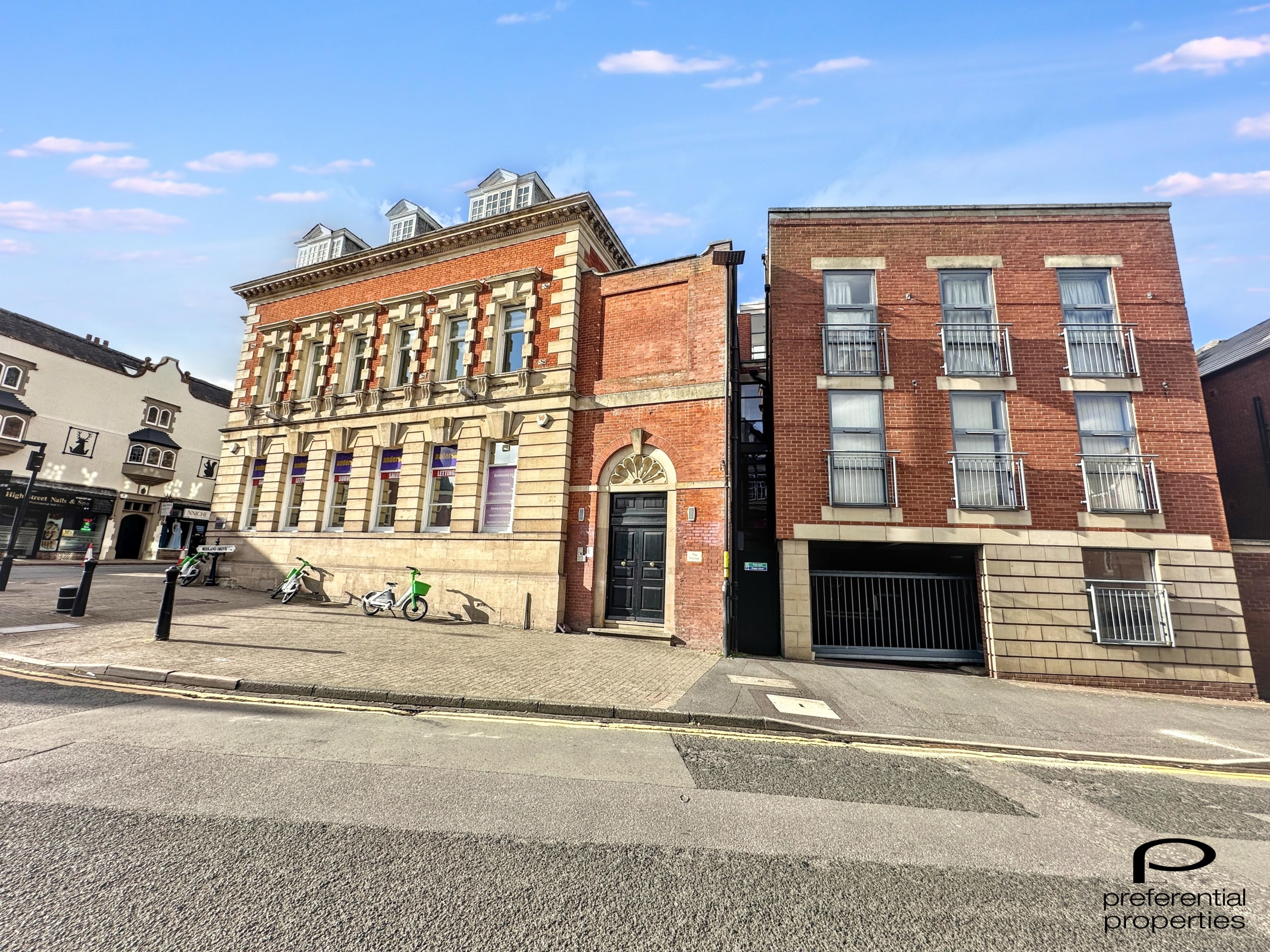
The population enjoys a prosperous suburban lifestyle with excellent schools, period architecture in conservation areas, and modern developments in sought-after districts like Four Oaks, Little Aston and Mere Green. The town centre underwent major redevelopment in the 1960s when the Parade was largely demolished for the Gracechurch Shopping Centre, though historic landmarks including Holy Trinity Church remain central to life here.